
Reviewed · ZERMATT TOURS
Zermatt’s Alpine Charms – Private Guided Village Tour
The Matterhorn is only part of Zermatt. This private walking tour shows you the village streets, old wooden homes, mountaineering memorials, and river paths that give the resort its character. I like the small private format and the chance to ask a guide practical questions as you go. I also like that the route ends along Uferweg, where the pace slows and the mountain views take over.
The main drawback is price. At $499 per person for about two hours, this is a serious splurge, especially since every stop is free to enter. It makes the most sense if you value a private guide, want an easy introduction on your first day, or are traveling with a group that can use the available discount.
In This Review
- Key points at a glance
- Starting at Bahnhofplatz, Zermatt’s front door
- Bahnhofstrasse: shops, restaurants, and Swiss flavor
- Gourmetweg and the Matterhorn view
- Hinterdorfstrasse and traditional Valais buildings
- Monte Rosa Hotel and Zermatt’s climbing story
- The Mountaineer’s Cemetery, a quiet change of tone
- Kirchbrücke for a wider view of the village
- Uferweg, where the two-hour walk winds down
- What $499 per person really buys
- Guides, pace, and the private format
- Cancellation and simple planning details
- Who should book this Zermatt walk?
- Should you book it?
- FAQ
- How long is the Zermatt village tour?
- Where does the tour begin?
- Where does the tour end?
- Is this a private tour?
- What language is the tour offered in?
- Are admission tickets included or required at the stops?
- Can I cancel for a full refund?
Key points at a glance
- A useful first activity: The route helps you get oriented before tackling Zermatt’s trains, paths, restaurants, and mountain excursions.
- A private experience: Only your group takes part, so you can ask questions and set the conversational pace.
- Old and modern Zermatt together: Bahnhofstrasse brings shops and restaurants, while Hinterdorfstrasse preserves traditional Valais buildings.
- Matterhorn country without a cable-car ticket: The tour stays in and around the village, with views from Gourmetweg, Kirchbrücke, and Uferweg.
- A thoughtful memorial stop: The Mountaineer’s Cemetery adds a serious human note to the Alpine scenery.
- English-language guiding: Guides such as Virginia, Mark, and Mike have been praised for their local knowledge, easy manner, and willingness to give extra time.
Starting at Bahnhofplatz, Zermatt’s front door
Your meeting point is Bahnhofplatz, the square by Bahnhofplatz in central Zermatt. This is a practical place to begin because it introduces you to the village at its main arrival point. You will spend about 10 minutes here, getting your first feel for Zermatt before walking farther into town.
The square is more than a place to find your guide. It is the village’s welcome mat, a useful reference point for the rest of your stay. If you arrive in Zermatt by train, this opening stop helps you connect the station area with the streets, hotels, shops, and paths you will use later.
I especially like starting here rather than meeting at a remote viewpoint. You begin with the real Zermatt, not a staged photo stop. The tradeoff is that Bahnhofplatz can feel busy at arrival times, so listen for your guide and allow enough time to find the meeting point.
The tour is offered in English, and the private setup should make it easier to ask basic questions right away. You can use this opening to learn where the main streets are, how the center is arranged, and how to recognize your way back later.
More trips into the Swiss Alps:
- Jungfraujoch Day Trip from Zurich: Swiss Alps & Bernese Oberland
★ 4.5 · 1,409 reviews - Swiss Alps: Interlaken and Grindelwald Day Trip from Zurich
★ 4.0 · 360 reviews - Glacier Express, Swiss Alps & Lucerne Tour | From Zurich
★ 4.5 · 164 reviews
Bahnhofstrasse: shops, restaurants, and Swiss flavor
From Bahnhofplatz, the walk continues along Bahnhofstrasse for about 10 minutes. This is Zermatt’s main shopping and dining street, so it gives you a quick look at the resort as it functions today.
You will pass shops and restaurants, with chances to notice the Swiss specialties that shape the village’s food scene. The stop is brief, but that is useful. You are not spending half the tour wandering from storefront to storefront. Instead, your guide can point out the character of the street and help you decide which parts deserve a return visit.
I would pay attention here to the contrast between Zermatt’s polished resort side and the older lanes that come later. The village is not only about mountain gear, fondue, and expensive hotels. It also has a working center, local connections, and a food culture that rewards a slower look.
This is one point where a private guide can be more useful than a fixed group walk. If you want restaurant suggestions, food ideas, or help understanding what you are seeing, you can ask without holding up a large party. The supplied information does not promise tastings, meals, or shopping discounts, so treat this as a guided introduction, not a food tour.
Gourmetweg and the Matterhorn view
Gourmetweg receives about 10 minutes on the route. The name points to Zermatt’s gourmet side, while the setting adds what you came for: views toward the Matterhorn.
This stop works because it connects food with place. Zermatt’s best meals are not separate from its mountain setting, and Gourmetweg gives your guide a chance to explain that connection. You may get suggestions for returning later, but the tour price does not include food or drinks.
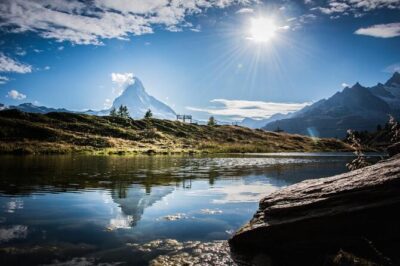
The Matterhorn view can vary with cloud, weather, and your exact position. That is worth remembering when you judge the tour. The route offers viewing opportunities, but it does not promise a clear mountain every day. Even with poor visibility, the guide can still give context about Zermatt and the surrounding peaks.
I like the short timing here. Ten minutes is enough for a look and a few photos without turning the tour into a long wait for the perfect view. If the Matterhorn is clear, you will probably want to return on your own for more time.
Hinterdorfstrasse and traditional Valais buildings
Hinterdorfstrasse is the longest central village stop, with about 20 minutes to look around. This is where the tour shifts from present-day resort life to old Zermatt.
The street is known for traditional Valais architecture. Older wooden buildings give you a glimpse of the village before modern tourism reshaped its center. A good guide can help you notice the construction details and explain why this part of Zermatt feels different from Bahnhofstrasse.
This is likely one of the most rewarding sections for anyone who likes local character. You are seeing more than attractive façades. You are getting a sense of how the village developed and why preserving older streets matters in a place that now welcomes visitors from around the world.
I would save a little attention for the ground under your feet. The route is a walking tour through village streets, not a seated talk. Wear shoes you can walk in comfortably, and expect the experience to feel more like a guided stroll than a museum visit.
The information provided does not specify special entry into any building. You should expect to view the architecture from the street unless your guide tells you otherwise.
More Zermatt trips:
- Private Ski Lessons – 3 hours Zermatt
★ 5.0 · 279 reviews - Matterhorn Paragliding flight in Zermatt (20-25min)
★ 5.0 · 207 reviews - FLYMATTERHORN VIP Paragliding from Zermatt, With Matterhorn View
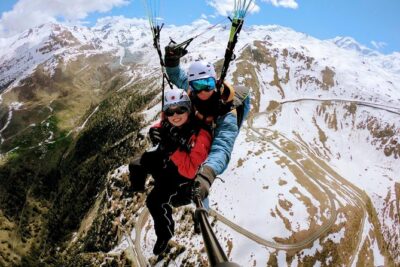
★ 5.0 · 192 reviews - 20 to 25 Minute Tandem Paragliding in Zermatt and Matterhorn View
★ 5.0 · 40 reviews
Monte Rosa Hotel and Zermatt’s climbing story
The walk then reaches the Monte Rosa Hotel for about 10 minutes. This hotel is an important part of Zermatt’s mountaineering and hospitality story, and its location makes it a natural bridge between the old village and the high peaks.
The stop is not described as an interior visit, so you should not assume that the tour includes a room inspection, meal, or hotel service. Its value is in the setting and the story your guide provides.
For me, the Monte Rosa Hotel matters because it adds human scale to the Matterhorn. The mountain is dramatic, but Zermatt’s identity was also shaped by the people who arrived here, prepared for climbs, guided others, and built a community around Alpine travel.
A guide who can connect the hotel with the cemetery and the village streets gives you a fuller picture than a photo stop alone. The names Virginia, Mark, and Mike have been associated with warm, well informed guiding on this experience. Their styles may differ, but the strongest theme is an easy conversation rather than a stiff lecture.
The Mountaineer’s Cemetery, a quiet change of tone
After the hotel, the route pauses for about 15 minutes at the Mountaineer’s Cemetery. This is the most solemn stop on the walk.
The cemetery honors climbers who died in the Alps. It offers a moment to think about the risks behind the postcards and summit photographs. Zermatt’s peaks attract people because they are beautiful, but they are also serious mountains. This stop makes that clear without requiring a long mountain excursion.
I appreciate the place in the sequence. You first see the village’s shops, food, and old buildings. Then you encounter the people whose lives were tied to Alpine climbing and, in some cases, ended there. It gives the tour emotional weight.
The cemetery is a place for quiet attention. If you prefer a tour made only of scenic viewpoints and cheerful anecdotes, this section may feel heavy. If you want to understand Zermatt beyond its resort image, it is essential.
Your guide may also be able to answer questions about local climbing traditions and the Matterhorn, as the tour description specifically highlights Zermatt and the mountain’s story. The supplied details do not promise individual biographies or a particular list of graves, so expect an overview rather than a specialist memorial tour.
Kirchbrücke for a wider view of the village
Kirchbrücke receives about 15 minutes and offers a panoramic look over Zermatt and the peaks around it. This is one of the route’s strongest photo opportunities because you can see the village in relation to its mountain setting.
A bridge viewpoint changes the way you read the town. From street level, you notice shops, signs, and buildings. From Kirchbrücke, you can step back and see how the settlement fits between the surrounding peaks.
The guide’s local knowledge matters here. A clear view is useful, but knowing what you are looking at makes it more memorable. Ask about the Matterhorn, the nearby summits, and the parts of Zermatt you may want to explore later.
Again, the view depends on conditions. Clouds can hide the peaks, and the experience does not include a weather guarantee. Still, the stop has value even when the panorama is limited because it helps you understand Zermatt’s layout.
The 15-minute limit keeps the walk moving. You will have time for photographs and questions, but not an extended wait for changing light or a cloud to move. If photography is your main goal, plan to return on your own.
Uferweg, where the two-hour walk winds down
The final section lasts about 30 minutes along Uferweg, a quieter path beside the river. This is the longest stop and a smart ending for the tour.
After the streets, hotels, and memorial, the river path gives you room to slow down. You can enjoy the sound and open views while looking toward the Matterhorn and nearby peaks. The route ends here, so you are not brought back to Bahnhofplatz.
That ending matters for planning. Uferweg is not just a final photo point. It is where you leave the guide, so you should know how you will continue afterward. The supplied information gives the end point but does not provide a return transfer or directions to a specific hotel, so ask your guide for help before the tour finishes if you need it.
I like the 30-minute allocation because it gives the natural setting more time than the short central stops. This is where the tour feels least commercial and most peaceful. You may find it the best part of the walk if you want a break from shops and crowds.
The route’s total timing adds up to about two hours. That is long enough to build a useful mental map of Zermatt without consuming an entire morning or afternoon.
What $499 per person really buys
The listed price is $499 per person. Since all eight stops are public places with no admission charge, you are paying mainly for the guide’s time, route planning, local explanation, and private attention.
That can be worthwhile if you are visiting Zermatt briefly, want to begin your stay with context, or have questions that a standard group tour might not handle well. A private guide can adjust the conversation to your interests, and only your group participates.
The cost is harder to justify if you simply want to walk Bahnhofstrasse, see Hinterdorfstrasse, and take photographs at the bridge. You can visit these public locations without buying a tour. The value comes from interpretation and orientation, not access.
Group discounts are available, although the amount is not specified. Check the final price carefully for your party before booking. A private tour may become more sensible when several people share the experience, but the stated price is still high for a two-hour walk.
There is also a practical benefit to doing this early in your stay. One past participant found the tour useful as a first activity because it helped with moving around the small town and understanding the mountains. That is sound advice. Take the tour near the beginning, then use what you learn to plan restaurants, viewpoints, and later outings.
Guides, pace, and the private format
Three guides named in the feedback are Virginia, Mark, and Mike. Virginia was praised for knowing the area and greeting many local people along the way. Mark was described as relaxed, open to questions, and willing to give extra time when the group was enjoying the conversation. Mike was praised for history, Matterhorn knowledge, and a fun walking style.
Those details tell you what kind of guiding to expect: personal, conversational, and focused on local context. The experience is not presented as a formal lecture with a fixed script.
The private format is especially helpful for families, couples, or friends who want to ask many questions. It also suits you if you prefer a calm pace or want the guide to spend more time on architecture, food, climbing, or mountain views.
The two-hour schedule is fairly full. Eight stops leave little room for long breaks, so the guide will need to keep the group moving. One guide gave extra time when the group was having a good time, but you should not count on a longer tour every day.
Most people can participate, and the experience is near public transportation. Specific accessibility details are not provided, so ask the operator directly if your group has mobility needs.
Cancellation and simple planning details
You receive confirmation at booking, and the tour is offered with a mobile ticket. Keep the meeting and ending points handy: start at Bahnhofplatz and finish at Uferweg.
Free cancellation applies when you cancel at least 24 hours before the local start time. Cancellations or changes made less than 24 hours ahead are not accepted for a refund.
Bring comfortable walking shoes and allow time to reach Bahnhofplatz. Since the route includes streets, a cemetery, a bridge viewpoint, and a riverside path, you will get more from it if you are ready to walk rather than treat it as a series of quick vehicle stops.
Who should book this Zermatt walk?
I would recommend it most strongly to first-time visitors who want to get their bearings quickly. It is also a good fit for you if you enjoy local stories, prefer private guiding, and want to understand the relationship between Zermatt village and the Matterhorn before heading higher into the Alps.
It suits groups that ask lots of questions. The English-language format and private setting make conversation a central part of the experience.
I would hesitate if you are watching your budget, already know Zermatt well, or mainly want a long photography session. The route offers viewpoints, but each one has a set time, and the $499 price is difficult to defend if you do not care about the guide’s interpretation.
Should you book it?
Book this tour if you want a clear introduction to Zermatt and value a guide who can connect streets, hotels, climbing history, and mountain views. Taking it early can help you feel more confident with the village for the rest of your trip.
Skip it if you want included food, museum entry, cable-car travel, or an extended mountain outing. Those are not part of the experience. For the right group, the private attention and strong local storytelling may justify the price. For everyone else, the same public streets and viewpoints can be explored independently.
FAQ
How long is the Zermatt village tour?
The tour lasts approximately two hours. The listed stops add up to 120 minutes.
Where does the tour begin?
It begins at Bahnhofplatz, Bahnhofplatz, 3920 Zermatt, Switzerland.
Where does the tour end?
The tour ends at Uferweg in Zermatt.
Is this a private tour?
Yes. Only your group participates in the activity.
What language is the tour offered in?
The tour is offered in English.
Are admission tickets included or required at the stops?
The listed stops have free admission. The experience does not list paid entry to attractions.
Can I cancel for a full refund?
Yes, if you cancel at least 24 hours before the experience start time. Cancellations or changes made less than 24 hours before the local start time are not accepted for a refund.
Just added in Zermatt
- Zermatt Guided Day Hike★ 5.0 · 6 reviews
- Zermatt (Tasch) to Milan one way Private Transfer★ 5.0 · 1 review
- Private Mystic Zermatt Tour: Peaks, History & Culture★ 4.5 · 6 reviews
- Matterhorn Private Skiing Day Zermatt★ 5.0 · 9 reviews
- Private Mt. Gornergrat and Zermatt Tour★ 5.0 · 15 reviews
- Zermatt (Matterhorn) Private Transfer Service★ 5.0 · 1 review
- Private Snowboarding Lessons – 3 Hours Zermatt★ 5.0 · 9 reviews
- Private Photo Session with a Local Photographer in Zermatt★ 5.0 · 1 review
Zermatt Tours, compared.
Matterhorn Paragliding flight in Zermatt (20-25min)
Read our review →
FLYMATTERHORN VIP Paragliding from Zermatt, With Matterhorn View
Read our review →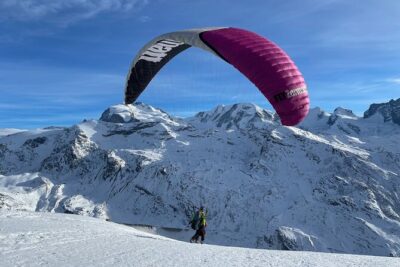
20 to 25 Minute Tandem Paragliding in Zermatt and Matterhorn View
Read our review →
HALF DAY 3-Hour Private Ski Lessons in Zermatt, Switzerland
Read our review →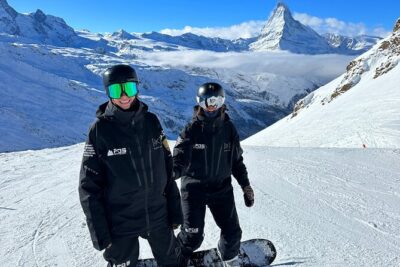
Browse the lists this tour appears in