
Reviewed · HISTORICAL TOURS
Private Mystic Zermatt Tour: Peaks, History & Culture
Zermatt reveals more than mountain views. This private walk links the village’s churches, old farm buildings, Matterhorn stories, and Mountaineers’ Cemetery in a compact two-hour route. I like the private format, which lets your group set the pace, and I like the human side of the tour, especially the stories about local people and early alpinists. The main drawback is the price: at $499 per person, it is a costly choice for a short walking tour.
The route also ends at Gornergrat Railway, which is useful if you plan to continue into the mountains. Guides named Mike and Elizabeth have earned praise for warm, engaging presentations and practical suggestions for dining and shopping. Still, guide energy can vary, and one shortened outing felt rushed and incomplete.
In This Review
- Key points at a glance
- What this Zermatt walk is really about
- Starting at St. Mauritius Church
- A short look at Matterhorn Museum, or Zermatlantis
- A quiet pause at the Mountaineers’ Cemetery
- The view from Kirchbrücke
- Walking through Hinterdorfstrasse
- The intimate setting of Kirche St. Peter’s
- Finishing at Gornergrat Railway
- How the private format affects value
- Timing, language, and planning details
- Who should book this Zermatt experience?
- Should you book it?
- FAQ
- How long is the Private Mystic Zermatt Tour?
- Where does the tour begin?
- Where does the tour end?
- Is this a private tour?
- Which languages are available?
- Is admission to the stops included?
- Can most people participate?
- Can I cancel for a full refund?
Key points at a glance
- Old Zermatt in one walk: See Hinterdorfstrasse, where traditional barns and granaries show how alpine families once lived.
- A serious look at mountain history: The Mountaineers’ Cemetery gives the Matterhorn story a human face.
- Private attention: Only your group takes part, making it easier to ask questions and adjust the pace.
- Seven stops in about two hours: The route includes churches, the museum exterior, a bridge, the old village, and Gornergrat Railway.
- Four language choices: The experience is offered in English, German, French, and Italian.
- Best for history-minded visitors: You get more cultural context than you would from simply walking through central Zermatt.
What this Zermatt walk is really about
This is not a mountain transport excursion or a long hike. It is a guided introduction to Zermatt’s village center and its connection to the Matterhorn. In a short time, you move from religious buildings to old farm architecture, then to the memorials of people who risked their lives in the surrounding peaks.
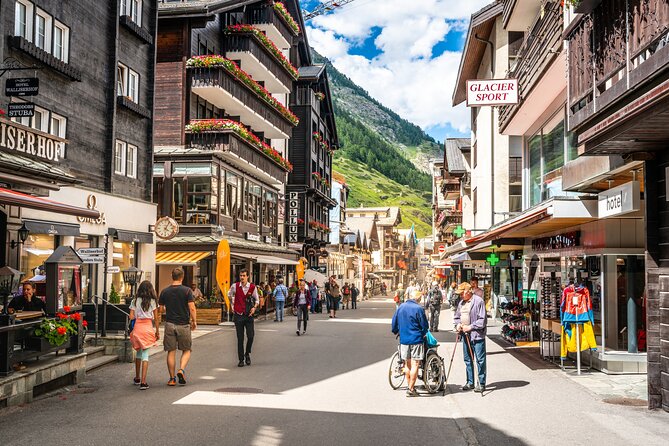
That mix is the strongest part of the experience. Zermatt can easily become a place of cable cars, railway tickets, hotel terraces, and quick photographs. This walk slows things down. You get the setting behind the scenery, including the role of churches, local families, alpinists, and mountain rescue culture.
The route lasts about two hours and is private to your party. That matters more here than it might on a basic city stroll. You can ask why a building matters, pause at a memorial, or request recommendations for food and shopping without trying to keep up with a large group.
The listed price is $499 per person, so this is aimed at people who place a high value on personal guiding. For two people, the cost is substantial. For a larger group, group discounts may improve the value, though the exact discount is not specified. I would compare the price with the cost of a private guide hired directly, but the convenience of a ready-made route may be worth it for some visitors.
More History Tours in Zermatt:
- Zürich Historic District Tour
★ 5.0 · 206 reviews - Basel Historical Old Town Tour
★ 4.0 · 99 reviews - Highlights of Geneva: Dark History Quest Experience
★ 4.0 · 16 reviews
Starting at St. Mauritius Church
The walk begins at Pfarrkirche St. Mauritius on Kirchplatz. You spend about 20 minutes here, with no admission fee listed.
The church offers a calm opening to the tour. Rather than beginning with a busy viewpoint or a sales pitch for mountain rides, the route starts with Zermatt’s spiritual life. The building gives your guide a natural way to explain the village as a lived-in community, not just a base for Matterhorn sightseeing.
I would pay attention to the balance between architecture and local stories. The church is described as peaceful and architecturally appealing, but the real value depends on how clearly your guide connects it to Zermatt’s people and traditions. Elizabeth, one of the named guides, has been praised for a calm, warm approach and strong knowledge of local history and alpinists. That style should suit you if you prefer thoughtful conversation to a rapid list of dates.
A short look at Matterhorn Museum, or Zermatlantis
The next stop is the Matterhorn Museum, also called Zermatlantis. The planned visit lasts about 10 minutes, and the museum is viewed from outside.
That last point is important. This is not a museum admission experience. You should not book the walk expecting time among indoor exhibits. Instead, the stop provides a setting for your guide to explain how Zermatt developed beneath the Matterhorn and how mountaineering changed the village.
Ten minutes is enough for orientation, but not enough for a full museum visit. If the story catches your interest, you may want to return independently and allow more time. The museum is most useful here as part of the larger narrative: village life, early climbing efforts, and the transformation of Zermatt into an international mountain destination.
The guide’s storytelling makes a big difference at this stop. Mike has been praised for engaging stories, a good personality, and useful dining and shopping suggestions. That is exactly the sort of added value you want from a private walk. A guide who simply points at the building gives you little. A guide who explains the human cost and cultural changes behind the Matterhorn story gives you something to remember.
A quiet pause at the Mountaineers’ Cemetery

The Mountaineers’ Cemetery is the emotional center of the route. You spend about 20 minutes here, and admission is free.
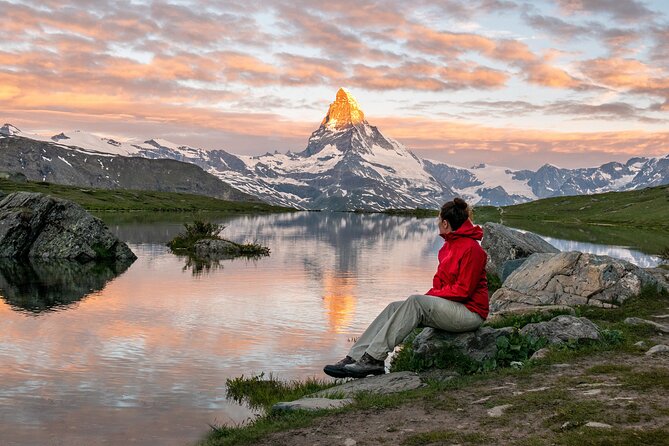
This is a solemn place honoring climbers who died in the mountains. The stop brings gravity to the Matterhorn story. Mountain tourism can make the peaks look like a backdrop for photographs, but the cemetery reminds you that climbing them has always carried real danger.
Give this stop the attention it deserves. It is not a quick photo stop, and the quiet atmosphere may feel very different from the rest of Zermatt. You might find the visit moving even if you have no special interest in mountaineering.
This is also where the guide’s tone matters most. Elizabeth’s reported calm and friendly manner sounds well suited to a place that calls for respect rather than drama. A good guide should explain the role of the alpinists without turning tragedy into entertainment.
More Zermatt trips:
- Private Ski Lessons – 3 hours Zermatt
★ 5.0 · 279 reviews - Matterhorn Paragliding flight in Zermatt (20-25min)
★ 5.0 · 207 reviews - FLYMATTERHORN VIP Paragliding from Zermatt, With Matterhorn View
★ 5.0 · 192 reviews - 20 to 25 Minute Tandem Paragliding in Zermatt and Matterhorn View
★ 5.0 · 40 reviews
The view from Kirchbrücke
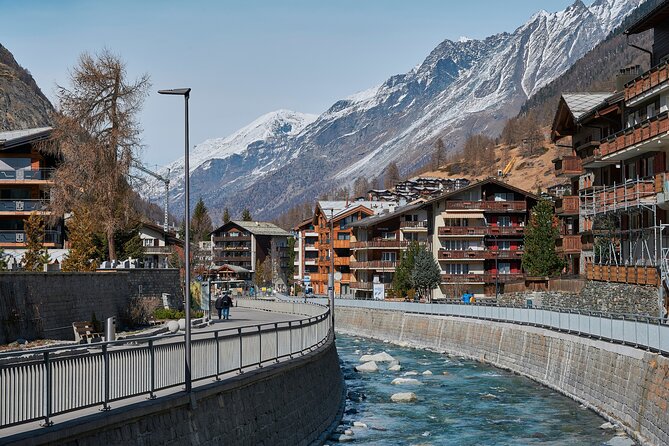
From the cemetery, the route continues to Kirchbrücke, a picturesque bridge with views toward Zermatt and the surrounding peaks. The planned time here is 20 minutes.
This is the most obvious photography stop. The bridge gives you a chance to look back at the village and outward toward the mountains, so it works as a visual pause after the quieter cemetery visit. If you want photographs, this is a place to slow down rather than snap one picture and leave.
The views will depend on weather and visibility. The tour cannot guarantee a clear Matterhorn or peak view, so keep your expectations sensible. Even with cloud cover, the bridge remains useful because your guide can point out how the village sits within its mountain setting.
A private group helps here. You can take your time with photos, ask for help identifying peaks, or move on if the weather hides the view. A large group would make that choice less flexible.
Walking through Hinterdorfstrasse
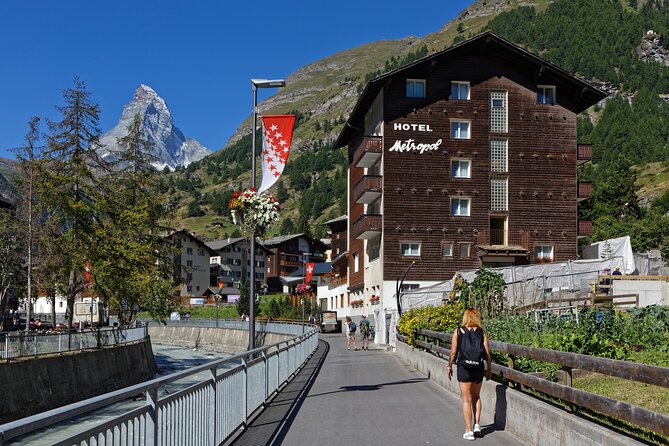
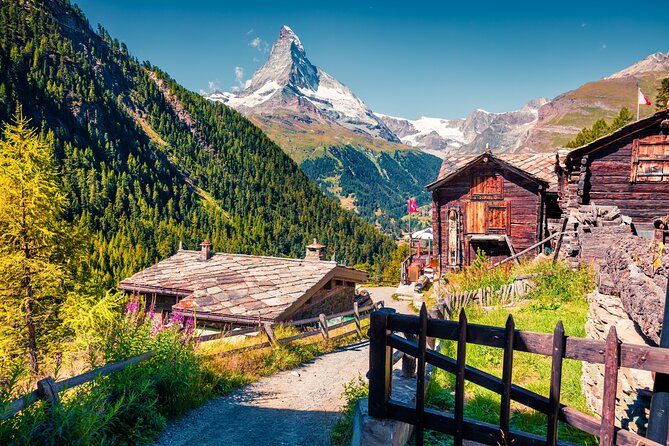
Hinterdorfstrasse gives the tour its best look at old village life. You spend about 20 minutes strolling among centuries-old barns and granaries.
These buildings are more revealing than a polished modern street. They show how alpine households stored food and goods, managed animals, and adapted buildings to a demanding climate. The old structures help you picture Zermatt before hotels, railway passengers, and mountain lifts reshaped its economy.
This is the stop where you should ask questions. Look at the construction, the arrangement of the buildings, and the contrast between traditional structures and the present-day resort around them. The tour description does not provide detailed architectural facts, so your guide’s explanation will determine how much you take away.
I like this part because it gives Zermatt a sense of continuity. You are not only looking at famous peaks. You are seeing the practical village that supported life here long before modern visitors arrived.
The intimate setting of Kirche St. Peter’s
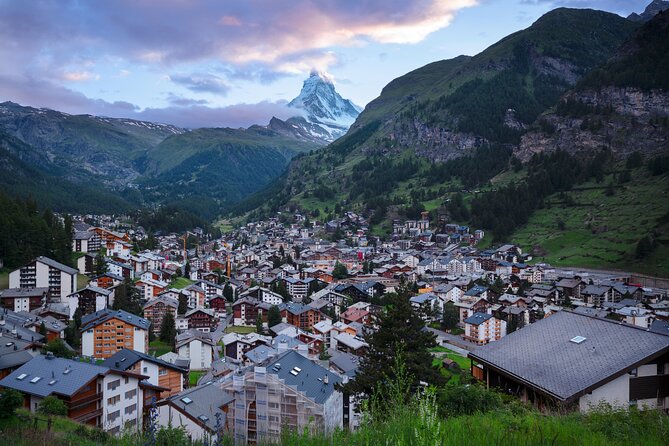
Kirche St. Peter’s is another religious stop, with about 20 minutes planned for the visit. It is described as a small chapel with attractive frescoes and a quiet atmosphere.
Placed after Hinterdorfstrasse, the chapel adds another layer to the village story. St. Mauritius introduces a larger spiritual setting, while St. Peter’s offers something more intimate. The frescoes give you a reason to look closely, and the peaceful interior provides a break from walking and sightseeing.
Two churches in a two-hour route may feel repetitive if you prefer mountain views over cultural stops. That is a fair concern. This tour is not designed for someone who wants to spend every minute facing the Matterhorn. It is better suited to you if local faith, art, village customs, and mountain history are part of the trip.
The free admission at both church stops keeps small costs down, but it does not change the overall price question. You are paying for the guide and private format, not for entry tickets.
Finishing at Gornergrat Railway

The walk ends at Bahnhofplatz, beside Gornergrat Railway. The scheduled time at this final stop is about 10 minutes, and no admission fee is included in the tour.
The ending is practical. If you plan to ride the Gornergrat Railway, you finish at the station rather than having to cross town later. The railway is famous for broad views of the Matterhorn and nearby peaks, so it gives the walk a natural connection to a larger mountain day.
Do not confuse the tour ending with a train ride. The supplied details do not include a railway ticket or a ride on the train. The guide introduces or points out the railway and finishes the walking experience there. You will need to arrange any onward journey separately.
This ending may also be useful if you are meeting a train, though the tour’s exact timing should be kept in mind. At two hours, the schedule is fairly full. A late start, long photo pause, or extended conversation could affect the pace, so tell your guide early if you have a fixed departure or dinner plan.
How the private format affects value
A private tour is the central reason to consider this experience. Only your group participates, and that means the guide can focus on your interests. If you care most about alpinists, ask for more mountain stories. If you prefer architecture and village life, request more attention to churches and old buildings.
The format also helps families and mixed-age groups. You can walk at your own group’s pace, and the activity is near public transportation. Most people can participate, according to the supplied information, though no specific accessibility details are provided.
The price remains the sticking point. At $499 per person, the experience is expensive for two hours, especially since the stops are free and the museum is viewed only from outside. I would consider it good value only if you want a private guide, care about local stories, or are splitting the cost among enough people to make a group discount meaningful.
The guide can add value beyond the route. Mike has been praised for sharing restaurant and shopping recommendations, which can save you time later. That sort of practical advice is useful on a short stay in Zermatt, when a good local suggestion may matter as much as another photograph.
Timing, language, and planning details
The experience is offered in English, German, French, and Italian. English is specifically listed among the available languages, so confirm your preferred language when booking.
The walk starts at Pfarrkirche St. Mauritius and finishes at Gornergrat Railway. Both locations are in Zermatt and near public transportation. Confirmation is provided when you book, and the experience is usually reserved about 31 days ahead, so advance planning is sensible during busy periods.
Free cancellation is available if you cancel at least 24 hours before the local start time. Cancellations made inside that window are not refunded, and late changes are not accepted.
Plan for a steady village walk rather than a museum visit or mountain hike. The itinerary allocates 20 minutes to most major stops, but only 10 minutes to the museum and railway. If you want longer inside the museum or time on the train, treat this tour as an introduction and arrange those activities separately.
Who should book this Zermatt experience?
I would recommend it most strongly to first-time visitors who want context before heading up into the mountains. It also suits couples, families, or friends who prefer a private conversation to a group lecture.
History-minded visitors will get the most from the route. The Mountaineers’ Cemetery, old barns, churches, and Matterhorn development give you a fuller picture of Zermatt than a viewpoint alone. The experience is also a good fit if you want dining or shopping suggestions from a local guide.
I would hesitate if your main goal is a long Matterhorn viewing session, a train ride, or a low-cost walking tour. The route includes several cultural stops, and the museum is outside only. You can see parts of the village on your own, so the private guide must provide strong stories and useful interpretation to justify the price.
The experience has received a 4.7 rating from six reviews, but the small number means you should not treat that score as a guarantee. Guide quality and pacing matter. One account described a tired guide and a tour shortened by 45 minutes, while the provider said the group had requested an earlier finish for dinner. Clarify your schedule at the start so there is no confusion.
Should you book it?
Book this tour if you want Zermatt explained, not simply photographed. Its best features are the private setting, the alpinist stories, the cemetery, the old village buildings, and the convenient finish at Gornergrat Railway.
Skip it if $499 per person feels too high for a two-hour walk or if you want indoor museum time and a railway journey. For the right group, especially one that values personal guiding and local recommendations, the experience can make Zermatt feel like a real mountain community rather than just a postcard.
FAQ
How long is the Private Mystic Zermatt Tour?
The tour lasts approximately two hours.
Where does the tour begin?
It begins at Pfarrkirche St. Mauritius, Kirchplatz, 3920 Zermatt, Switzerland.
Where does the tour end?
The tour ends at Gornergrat Railway, Bahnhofplatz 1, 3920 Zermatt, Switzerland.
Is this a private tour?
Yes. Only your group participates in the activity.
Which languages are available?
The experience is offered in English, German, French, and Italian.
Is admission to the stops included?
The listed admission cost is free for the church, museum exterior visit, cemetery, bridge, old street, chapel, and railway stop. The details do not include a Gornergrat Railway ticket or train ride.
Can most people participate?
The supplied information states that most people can participate. It also notes that the tour is near public transportation.
Can I cancel for a full refund?
Yes, if you cancel at least 24 hours before the experience start time. Cancellations made less than 24 hours before the start are not refunded, and late changes are not accepted.
Just added in Zermatt
- Zermatt’s Alpine Charms – Private Guided Village Tour★ 5.0 · 6 reviews
- Zermatt Guided Day Hike★ 5.0 · 6 reviews
- Zermatt (Tasch) to Milan one way Private Transfer★ 5.0 · 1 review
- Matterhorn Private Skiing Day Zermatt★ 5.0 · 9 reviews
- Private Mt. Gornergrat and Zermatt Tour★ 5.0 · 15 reviews
- Zermatt (Matterhorn) Private Transfer Service★ 5.0 · 1 review
- Private Snowboarding Lessons – 3 Hours Zermatt★ 5.0 · 9 reviews
- Private Photo Session with a Local Photographer in Zermatt★ 5.0 · 1 review
Historical Tours, compared.
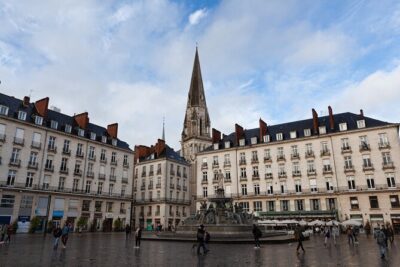
Highlights of Geneva: Dark History Quest Experience
Read our review →
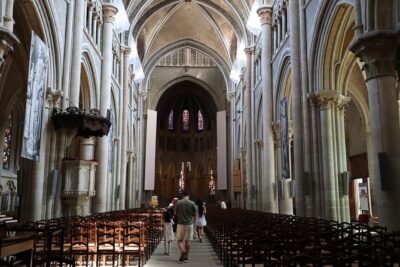
Historic Lausanne: Exclusive Private Tour with a Local Expert
Read our review →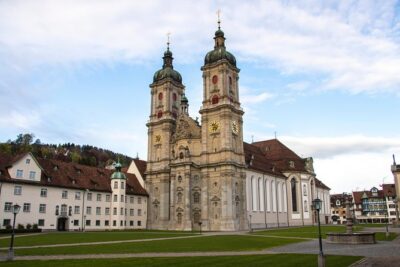
Historic St. Gallen: Exclusive Private Tour with a Local Expert
Read our review →

Browse the lists this tour appears in